This is one of the most common questions we hear from families: "Do we need a nurse, or just someone to help around the house?" The honest answer is often both — but understanding the difference matters, because it affects what's covered, what it costs, and who's actually qualified to help. This article looks specifically at the two roles within a care plan; for the broader industry distinction, see Home Health vs. Home Care: What's the Difference?
Skilled Nursing: Medical Care, By a Licensed Clinician
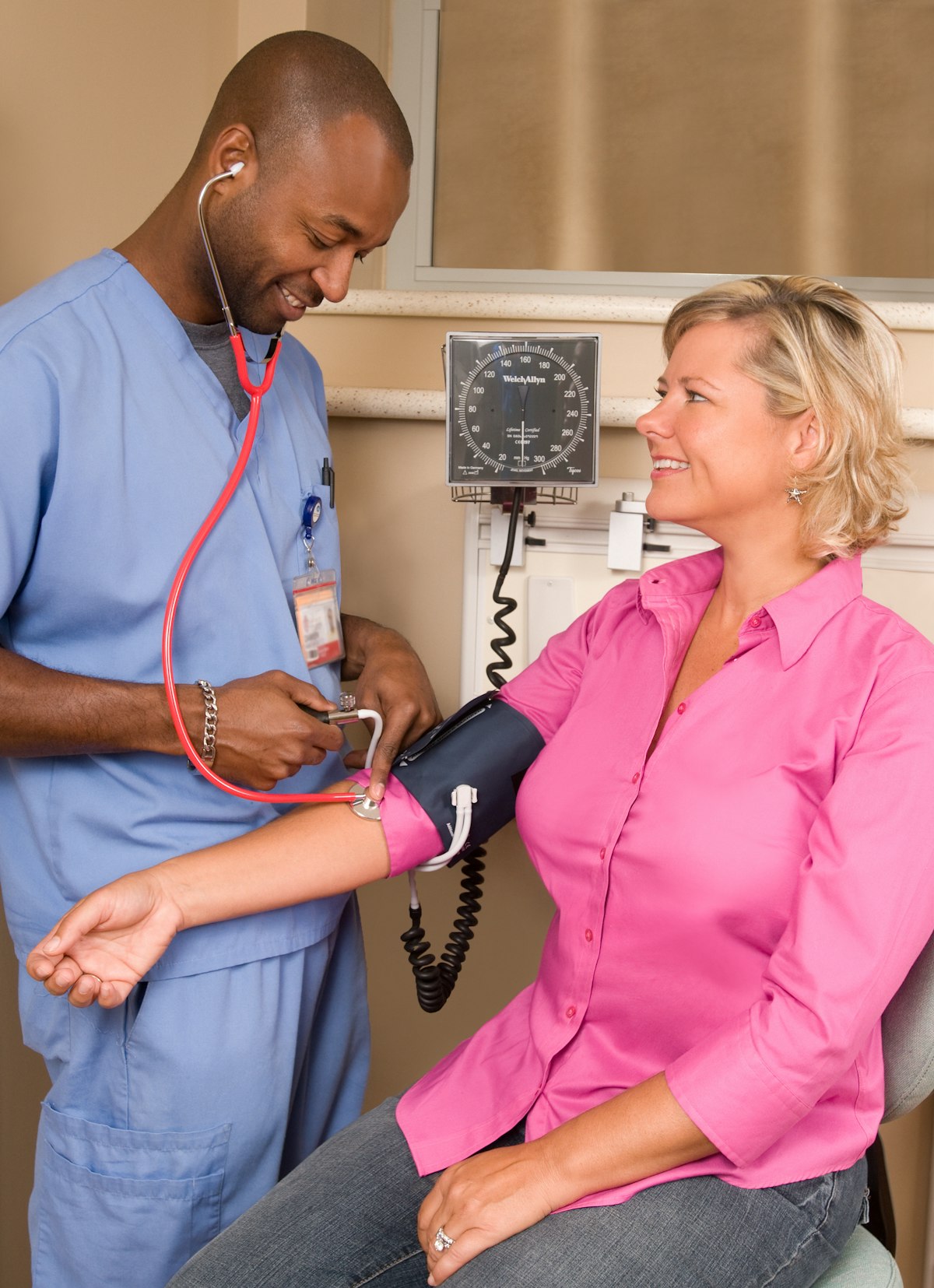
Skilled nursing means care performed by a Registered Nurse (RN) or Licensed Vocational Nurse (LVN) that requires clinical training and judgment. It's ordered by a physician and typically time-limited to an active medical need.
- Wound care and dressing changes
- Medication management and administration, including injections
- Monitoring chronic conditions (diabetes, heart failure, COPD)
- Post-surgical recovery monitoring
- IV therapy
- Patient and family education on managing a condition at home
Because it's medical, skilled nursing is what Medicare and most insurance plans are built to cover — but only when a physician certifies the need, and generally in short, intermittent visits rather than hours-long stays.
Home Health Aide: Hands-On, Daily Support
A home health aide (sometimes called a caregiver or personal care attendant) provides non-medical, hands-on help with the tasks of daily living. No nursing license is required, but a good agency trains and supervises aides closely.
- Bathing, grooming, and dressing
- Mobility assistance and fall prevention
- Meal preparation
- Light housekeeping
- Companionship and supervision
- Medication reminders (not administration)
This is the kind of support most families actually need most of the time — it's just less likely to be covered by Medicare alone, since it doesn't require a skilled clinical need. It's typically covered through Medicaid programs like STAR+PLUS, VA benefits, long-term care insurance, or private pay.
So Which Does Your Family Need?
In practice, most patients need a combination, at different intensities depending on where they are in their care journey:
- Right after a hospital stay or surgery: skilled nursing is usually the priority, often paired with an aide for the tasks the patient can't safely do while recovering
- Managing a chronic condition long-term: periodic skilled nursing check-ins, with an aide for consistent daily support
- Primarily needing help with daily activities, no active medical issue: a home health aide alone is often sufficient
Why It Shouldn't Be an Either/Or Decision
The mistake we see most often is families choosing one when they actually need both, or assuming "home health" means only medical care and missing out on the daily support that keeps a loved one safe and independent. A good agency coordinates both under one plan, so your nurse and your aide are working from the same information — not operating in silos.
Not sure which your family needs? That's exactly what our free, no-obligation assessment is for. Call (210) 541-8707 or submit a referral and we'll walk through your specific situation.
Need help navigating your options?
Our care team answers questions every day — no cost, no obligation.
Free Consultation