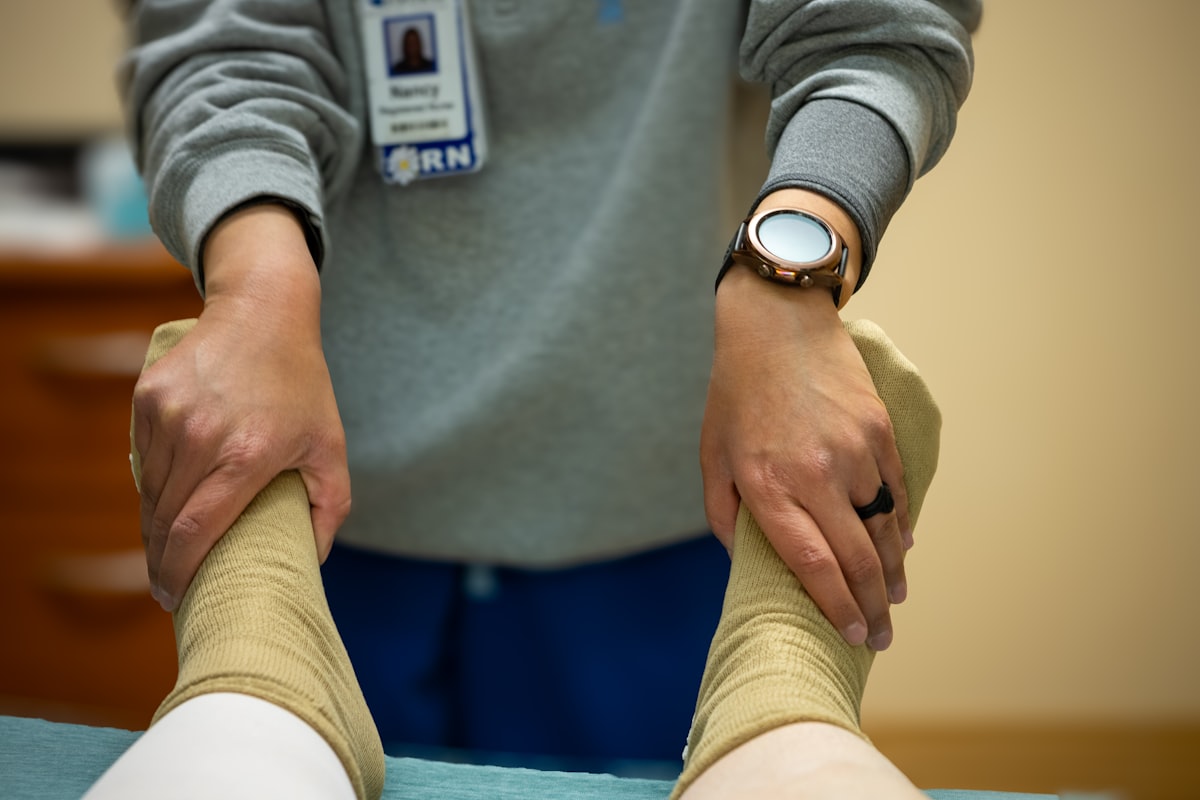
More surgeries than ever are being performed as outpatient procedures — meaning patients go home within 24–48 hours, sometimes the same day. That shift is good news for cost and convenience, but it means the home environment now has to double as a recovery environment, often with very little preparation in place before the first night. Here's what that first stretch actually requires, and how to set it up properly before surgery rather than scrambling after.
The First 72 Hours: The Most Critical Period
Complications, when they happen, tend to show up early — which is exactly why the first three days matter more than they might seem to at the time.
- Medication management. Post-surgical regimens are often complex — pain medication on one schedule, antibiotics on another, blood thinners on a third — and mixing up timing is one of the most common avoidable complications. A written schedule taped somewhere visible helps more than most families expect.
- Wound monitoring. Some redness and swelling right at the incision is normal; what to watch for is redness that's spreading, warmth, or drainage that's increasing rather than decreasing day over day.
- DVT prevention. Reduced mobility after surgery raises blood clot risk significantly. Whatever movement or compression protocol was prescribed — even something as simple as ankle pumps every hour while resting — matters more than it sounds like it should.
- Vital sign monitoring. Temperature, blood pressure, and heart rate checked regularly in the first few days catch problems before they become visible symptoms.
Warning Signs Requiring Immediate Attention
- Fever above 101°F (38.3°C)
- Increasing redness, swelling, or drainage at the incision site
- Severe or worsening pain not controlled by prescribed medications
- Shortness of breath or chest pain — seek emergency care immediately, this can indicate a pulmonary embolism
- Calf pain, swelling, or redness (possible DVT)
- Confusion or unusual behavior, especially in older adults — this is a common and under-recognized sign of a developing infection
How to Prepare Your Home Before Surgery
The best time to do this is before the surgery, not the night you get discharged and someone is already in pain.
- Set up a main-floor sleeping area if stairs will be difficult
- Arrange bathroom safety equipment (grab bars, shower chair, non-slip mat)
- Clear pathways of rugs and obstacles that could cause a fall
- Stock easy, no-prep meals for the first week — cooking is often harder than people expect post-surgery
- Arrange transportation for follow-up appointments
- Identify one point person for communication with medical providers, so information doesn't get lost between family members
A Real Example
Mr. Delgado, 71, had a scheduled knee replacement and assumed his daughter could manage his recovery around her work schedule. By day two at home, the reality was different — medication timing, wound checks, and basic mobility help all needed to happen at hours she couldn't always cover. A home health nurse began visiting for wound checks and medication oversight, with a home health aide filling the gaps during the day, which let his daughter stay involved without having to take unpaid leave from work. He was walking independently with a cane by week four.
Frequently Asked Questions
Ideally, coordination begins before surgery so a nurse can be at your door within 24–48 hours of discharge — the highest-risk window for complications. Waiting until problems appear means starting from behind.
Some pain and mild swelling is expected and typically improves day over day. The concern is pain or swelling that's getting worse rather than better, or that isn't responding to prescribed medication — that pattern warrants a call to your surgeon or care team.
Family support is valuable but isn't a substitute for skilled monitoring — a nurse is trained to catch early signs of infection or DVT that aren't obvious to an untrained eye. Most families do best combining both: skilled visits for the medical side, family or a caregiver for daily support.
Often yes, at no cost, if you're homebound and your surgeon orders skilled nursing or therapy. See our full guide to Medicare coverage for home health for exactly how that works.
It varies by procedure, but most patients need skilled visits for a few weeks to a couple of months, tapering off as mobility and wound healing progress. Your care team reassesses regularly rather than committing to a fixed timeline upfront.
Patients who receive skilled home health care after surgery experience significantly fewer readmissions and complications. Call us at (210) 541-8707 or visit our Post-Surgical Care page.
Need help navigating your options?
Our care team answers questions every day — no cost, no obligation.
Free Consultation