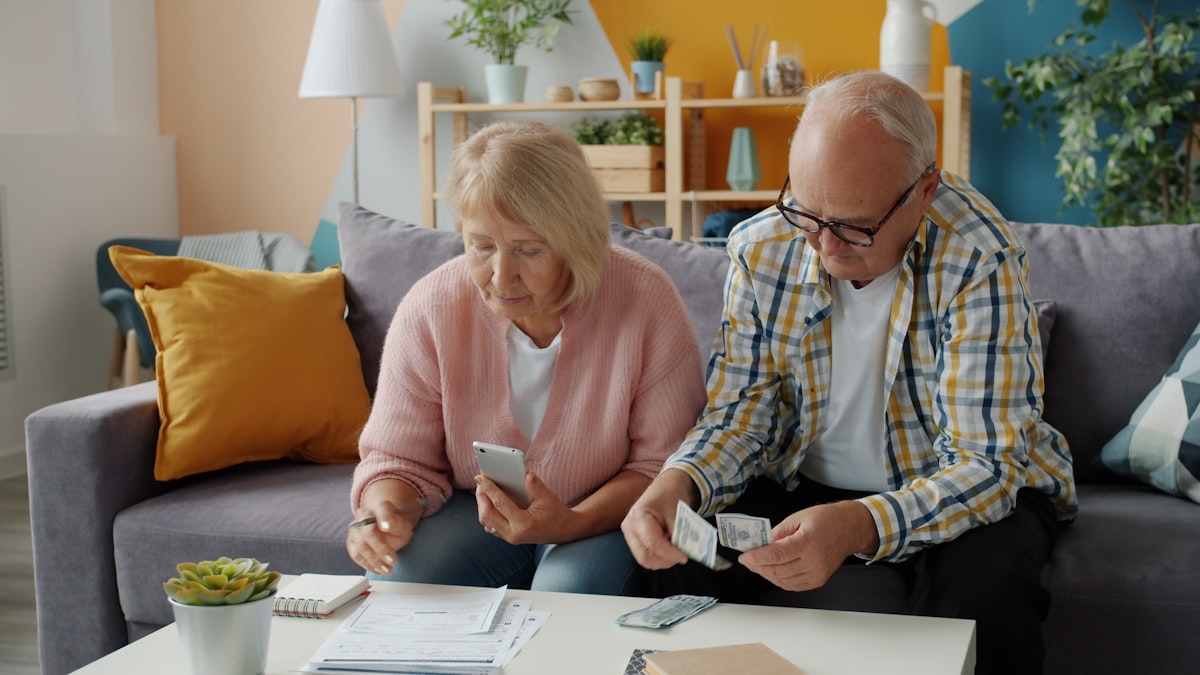
When a parent begins to need more support than family can provide, the question of where they should receive care becomes one of the most consequential decisions a family faces — and one most families make under time pressure, often right after a hospital stay or a fall, rather than with the time to think it through carefully. Here's how the two options actually compare, on the factors that matter most in practice.
The Case for Home Healthcare
- Familiar environment. Remaining at home reduces cognitive stress, especially for individuals with dementia or memory impairment, for whom a new environment can accelerate confusion and disorientation.
- One-on-one attention. Care is entirely focused on one individual — their schedule, their preferences, their routine — rather than divided across a facility's resident population.
- Lower cost for comparable care levels. For patients needing fewer than full-time support hours, home healthcare is typically significantly less expensive than a monthly assisted living fee, which is priced for round-the-clock facility overhead regardless of how much individual care is actually used.
- Medicare coverage. Skilled home healthcare is often covered by Medicare at no cost for eligible, homebound patients — assisted living, as a residential choice rather than a medical service, is essentially never covered by Medicare.
When Assisted Living May Be the Better Fit
- The individual requires supervision around the clock that a home care schedule can't realistically cover
- Significant home modifications — wheelchair accessibility, safety equipment — aren't feasible in the current home
- Social isolation at home is a significant, ongoing concern, and the structured social environment of a community genuinely improves quality of life
- The level of medical or behavioral care needed exceeds what home-based services can safely address
The Cost Comparison, Realistically
Assisted living in the San Antonio area is typically billed as a flat monthly rate that covers housing, meals, and a baseline level of staff support, regardless of how much individual attention a resident actually needs. Home healthcare costs scale with actual hours of care — which means for someone needing occasional check-ins and a few hours of daily help, home care is often meaningfully cheaper; for someone needing near-constant supervision, the math can flip the other way. The honest answer is that neither option is categorically cheaper — it depends on the specific care hours required, and that's exactly what a real assessment is for rather than a general comparison.
Hybrid Approaches
Many families don't realize that home healthcare and senior living communities are not mutually exclusive. Associates Home Health provides one-on-one supplemental care for residents of independent living, assisted living, and memory care communities — helping someone get the specific medical or personal care attention a facility's general staff can't always provide, without needing to relocate again to a higher level of care.
A Real Example
The Alvarez family was ready to move their father into assisted living after a fall, assuming it was the only way to ensure his safety. A home assessment revealed that with a few modifications — a shower chair, grab bars, and a home health aide visiting three times a week — he could safely remain in the house he'd lived in for 40 years, at roughly the cost they'd budgeted, with the added benefit of staying near lifelong neighbors and his church community.
Frequently Asked Questions
A free in-home assessment is the most reliable way to know — it looks at actual mobility, cognitive status, home safety, and care needs, rather than trying to answer the question in the abstract. We offer this at no cost.
Often yes, especially in earlier stages — familiar surroundings can actually reduce dementia-related confusion and agitation compared to a new environment. As the condition progresses, the right level of support is reassessed regularly rather than decided once and left alone.
Yes — this is a common and reasonable approach. Starting with home health lets a family see how much support is actually needed before committing to a facility move, and care can be reassessed and adjusted as needs change.
It depends entirely on the hours of care actually needed — assisted living's flat monthly rate can be more cost-effective for extensive care needs, while home health is often cheaper for moderate, part-time support. There's no universal answer without knowing the specific care plan.
We provide supplemental one-on-one home health and personal care to residents of assisted living and memory care communities, filling gaps in medical monitoring or personal attention that general facility staff can't always provide.
Our care team offers free, no-pressure consultations. Call (210) 541-8707 or visit our Paying for Care page.
Need help navigating your options?
Our care team answers questions every day — no cost, no obligation.
Free Consultation